
Gene editing is a powerful tool in modern biology that allows scientists to alter the DNA of living organisms with remarkable precision. This groundbreaking technology has revolutionized genetics research and opened up possibilities in treating disease, improving crops, and potentially even editing traits in humans.
In this post, we explore what gene editing is, how it works, its benefits and risks, and the important ethical questions it raises—especially as gene editing in humans becomes more feasible.
What is Gene Editing?
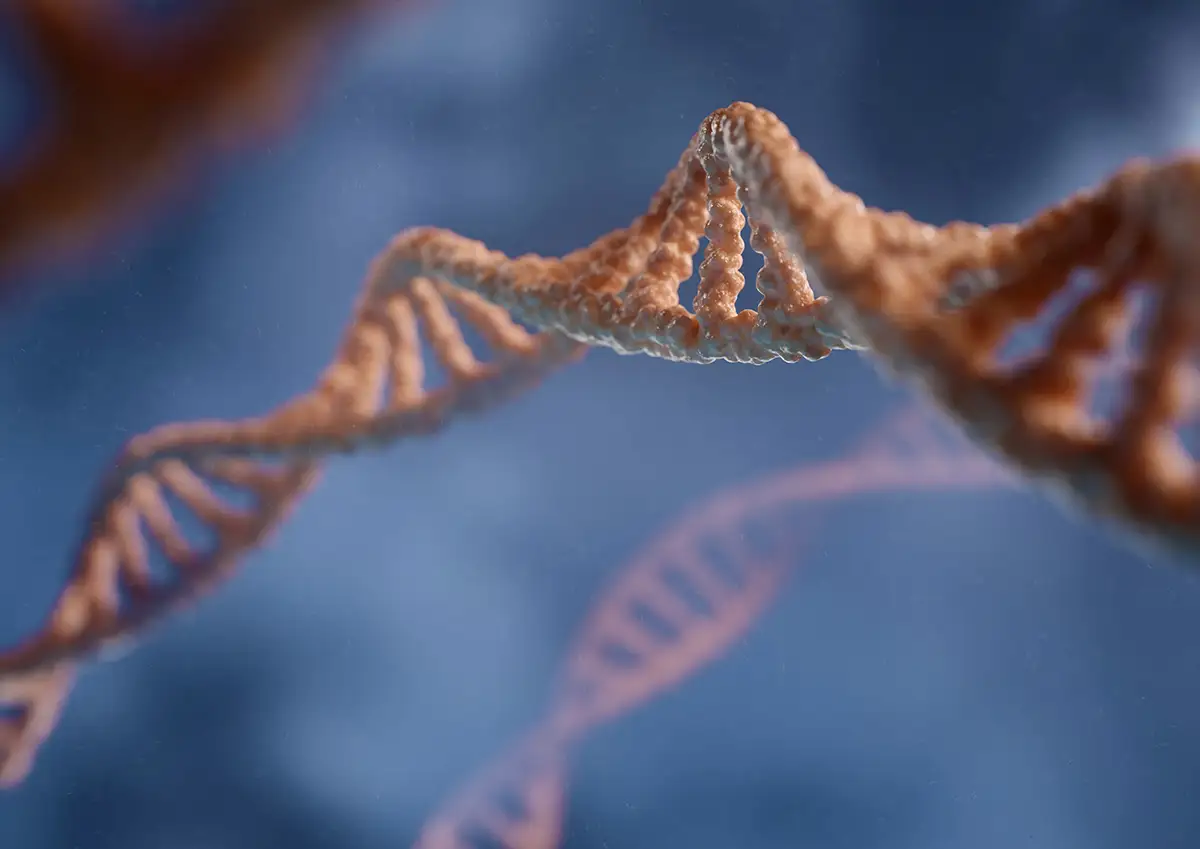
Gene editing refers to a group of technologies that allow for the addition, removal, or alteration of genetic material at specific locations in the genome. One of the most widely used tools in gene editing biology is CRISPR-Cas9, a technique derived from a natural defense mechanism found in bacteria.
With CRISPR, scientists can target exact sections of DNA and make precise changes. This has made CRISPR-Cas9 one of the most efficient and accessible tools in genetic research to date.
Gene Editing in Humans
Gene editing in humans holds immense promise for treating inherited disorders such as cystic fibrosis, sickle cell disease, and certain forms of blindness. By correcting faulty genes at the DNA level, researchers aim to eliminate the root causes of these diseases.
However, editing human embryos or germline cells (those that can be passed on to future generations) raises complex ethical questions. The ethics of gene editing in humans is an ongoing debate among scientists, ethicists, and the public.
Benefits of Gene Editing
The benefits of gene editing span across health, agriculture, and environmental science:
- Medical breakthroughs: Potential cures for genetic disorders, improved cancer therapies, and infectious disease prevention.
- Agriculture: Development of drought-resistant crops and improved food yields.
- Environmental impact: Possibilities for eradicating disease-carrying insects like mosquitoes.
Pros and Cons of Gene Editing
Like any powerful tool, gene editing comes with both promise and pitfalls.
Pros:
- Precise and targeted DNA changes
- Potential to cure or prevent genetic diseases
- Reduced dependency on long-term medications
Cons:
- Risk of unintended genetic mutations (off-target effects)
- Accessibility concerns—may widen health disparities
- Ethical dilemmas, especially in human embryo editing
Ethics of Gene Editing
The ethics of gene editing are deeply nuanced. While somatic gene editing (changes that affect only the individual) is generally supported when used to treat disease, germline editing is more controversial. The World Health Organization (WHO) and many other organizations call for strict governance and international cooperation to ensure responsible use of this technology.
Conclusion
As technology advances, the question is no longer “What is gene editing?”, but how and when it should be used. Whether it’s fighting genetic disease or improving global food security, gene editing—particularly through tools like CRISPR-Cas9—will play a defining role in the future of science and medicine. But with great power comes great responsibility, and the ethical considerations will be just as important as the scientific breakthroughs.