
Genetic sequencing is a groundbreaking tool in modern biology and medicine. It allows scientists to read and interpret the exact order of nucleotides within DNA. This process helps unlock vital information about our genes, health, and ancestry—and it’s transforming the way we diagnose and treat disease.
What is Genetic Sequencing?
Genetic sequencing refers to the process of determining the precise order of nucleotides—adenine (A), thymine (T), cytosine (C), and guanine (G)—in a DNA molecule. These building blocks form a DNA sequence, which functions like an instruction manual for how cells grow, function, and respond.
A genetic sequencing test is used to detect mutations, inherited diseases, or identify pathogens. It plays a critical role in genetic testing, cancer treatment planning, and research into rare conditions.
Genetic Sequencing vs DNA Sequencing
Though often used interchangeably, genetic sequencing is a broader term that includes both DNA and RNA sequencing. DNA sequencing, however, refers specifically to reading the sequence of deoxyribonucleic acid—the molecule that carries genetic instructions in living organisms.
Modern genetic sequencers can process billions of DNA letters at once, helping scientists map out the entire genome genome—the complete set of DNA in an organism.
How Many Nucleotides Make a DNA Sequence?
The number of nucleotides in a DNA sequence depends on what’s being sequenced. A single gene may consist of a few thousand nucleotides, while the entire human genome contains over 3 billion nucleotides. Each person’s DNA differs by only about 0.1%—yet that small variation can reveal critical health insights.
Understanding these sequences is key to identifying a permanent change in a cell’s DNA sequence, which may cause genetic diseases, cancer, or other conditions.
What is a Genome Genome?
The genome refers to all the genetic material in an organism. When scientists refer to the genome genome, they emphasize both the structure and function of all genetic information—not just the DNA sequence but also how it’s organized, regulated, and interpreted.
Genomic research explores how these sequences interact to influence everything from physical traits to disease risk. By sequencing the genome, researchers can uncover rare mutations, develop targeted therapies, and understand the biology behind disease.
DNA Sequencing Genetic Testing
DNA sequencing genetic testing uses sequencing technology to examine an individual’s DNA for mutations, deletions, or other genetic variants. Unlike traditional genetic tests that look for specific markers, sequencing analyzes long stretches of DNA, offering a more comprehensive view of a person’s genetic makeup.
This testing is used in:
- Personalized medicine – tailoring treatments based on genetic profiles
- Carrier screening – identifying inherited conditions
- Oncology – detecting cancer-driving mutations
- Rare disease diagnosis – finding causes for unexplained conditions
How Does Genetic Sequencing Work?
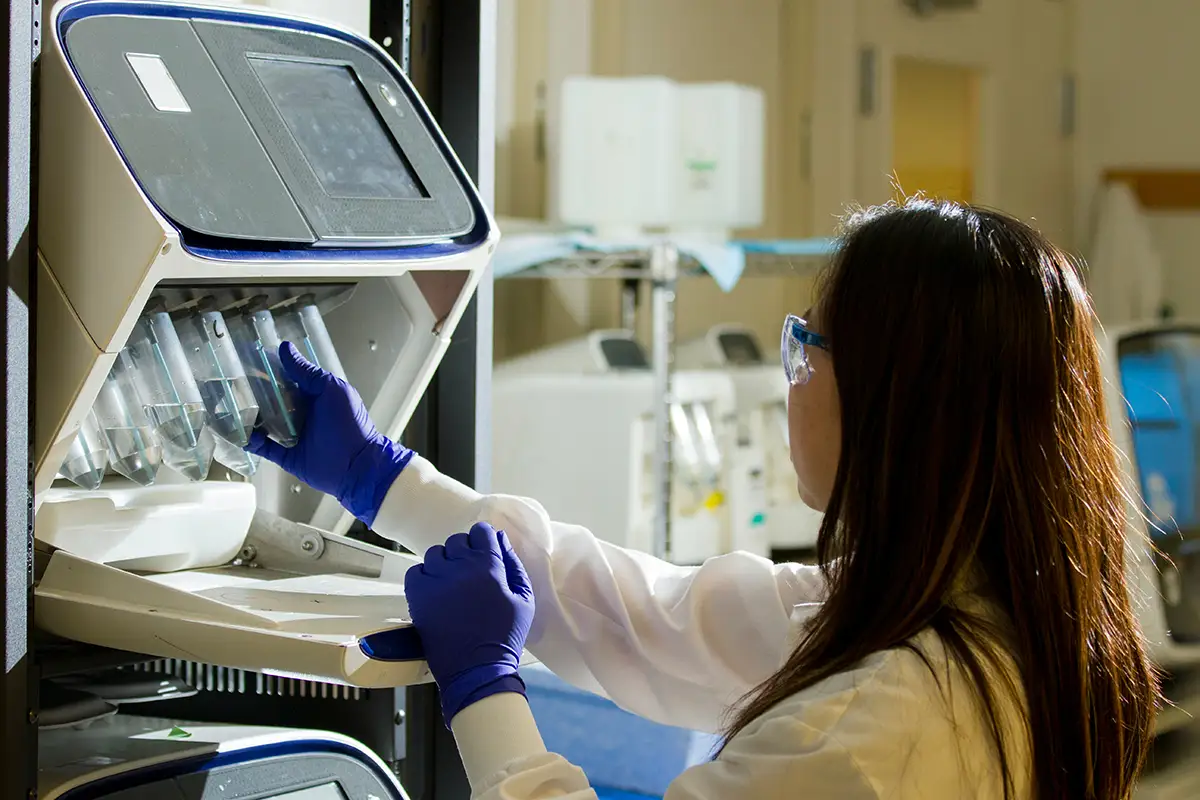
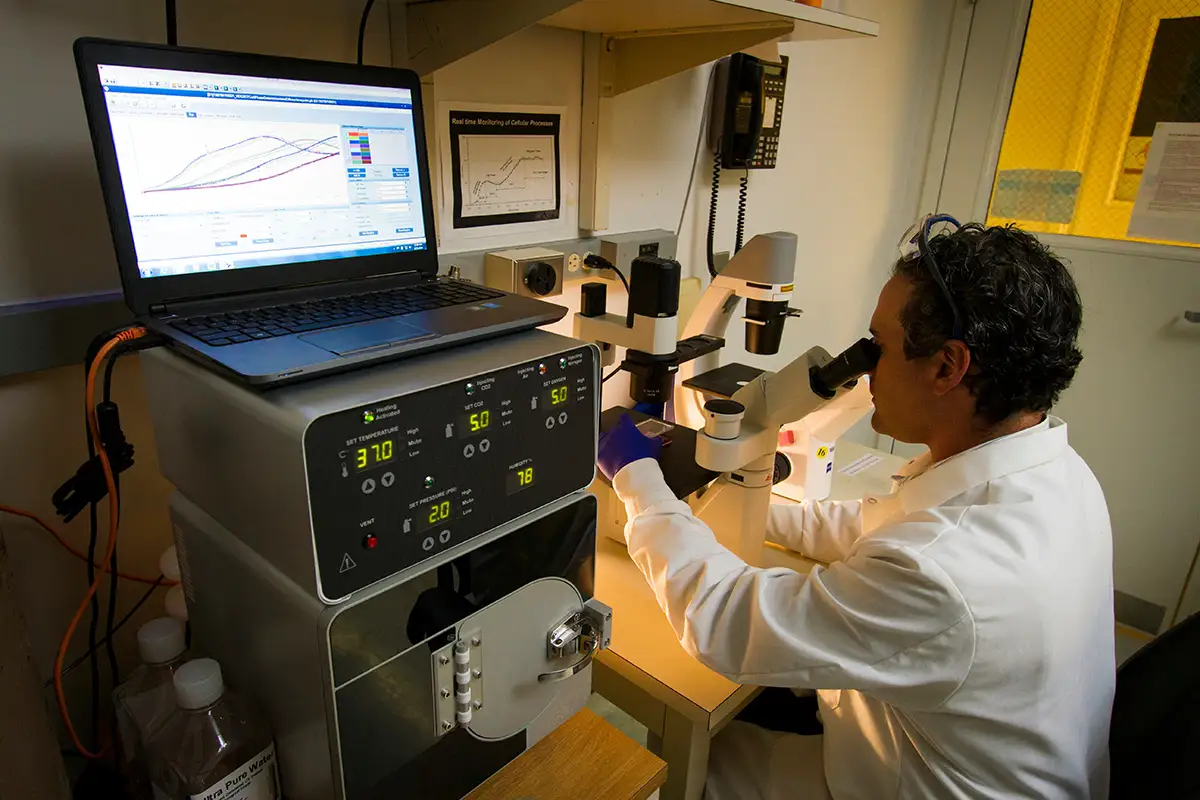
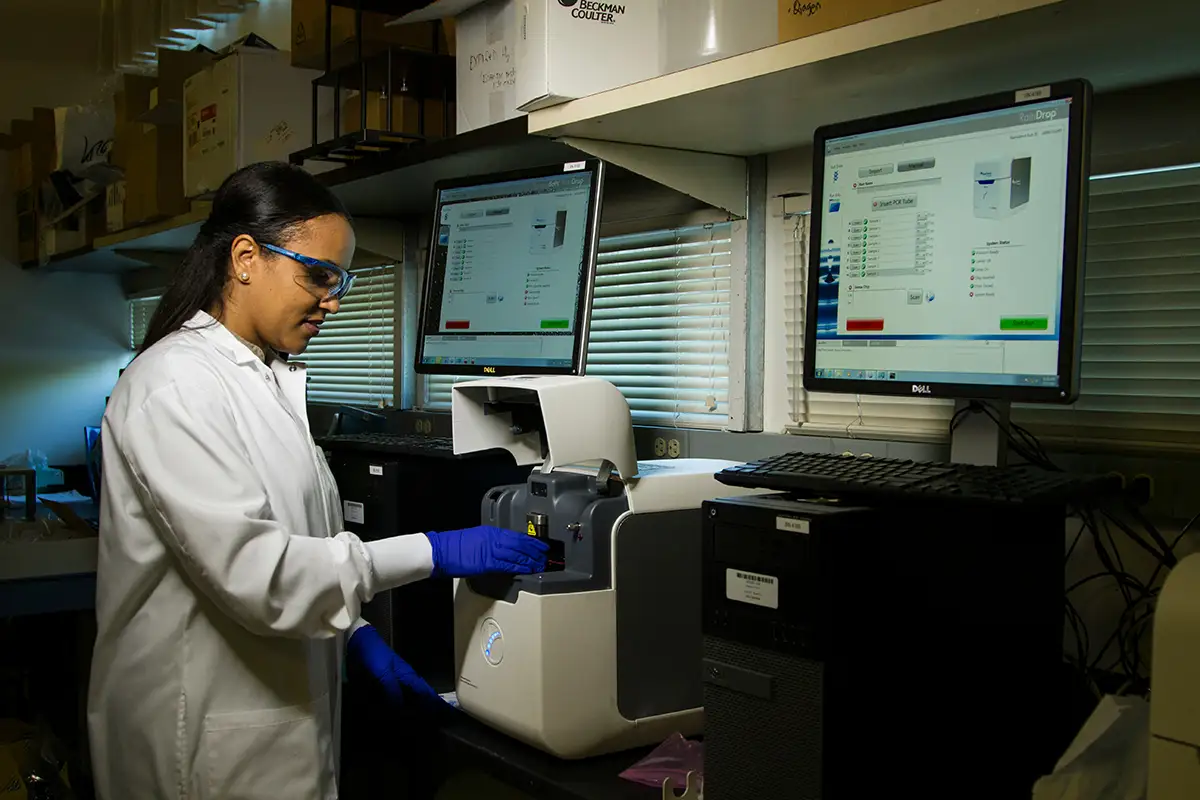
The process begins by extracting DNA from a biological sample. The DNA is then fragmented, tagged, and run through a genetic sequencer. This machine reads the order of the nucleotides and outputs massive data files, which are analyzed by bioinformatics tools to identify mutations or patterns.
Final Thoughts
From tracking viruses to personalizing medicine, genetic sequencing has become a pillar of modern science. Whether you’re undergoing a genetic sequencing test, exploring DNA sequencing genetic testing, or trying to understand your genome genome, this technology offers powerful insights into the blueprint of life.